More Historical Photos: The Southern Special Students
← Back to “The Southern Special Students: Malayan Youths Sent to Japan, 1943–45”
More newspaper pages from 1943 to 1945 on the students sent from Malaya to Japan, and photographs of their university in Hiroshima from before the bombing to today.
The scheme is announced, April 1943
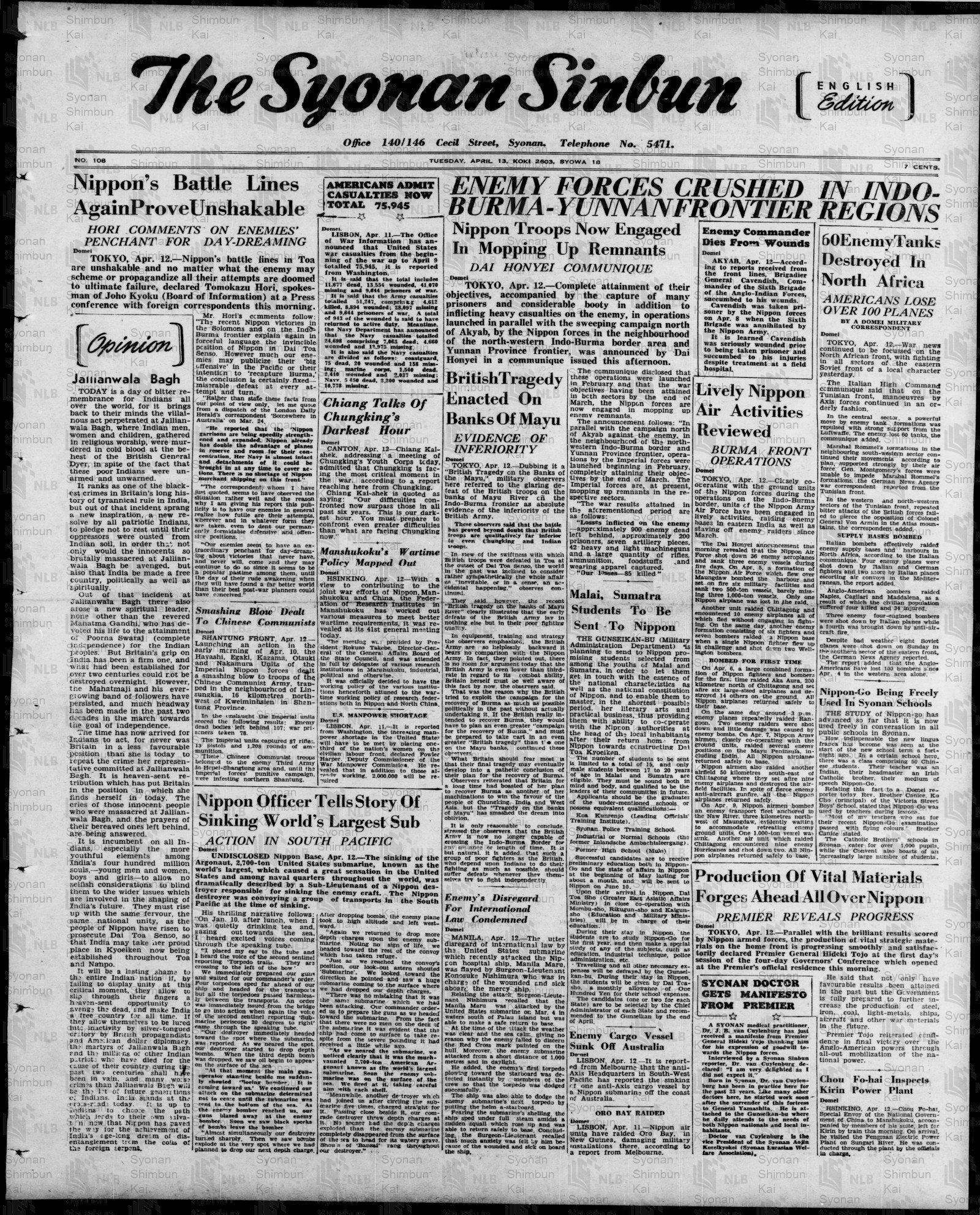
The Syonan Shimbun of 13 April 1943, page 1. The report “Malai, Sumatra Students To Be Sent To Nippon”, in the middle of the page, sets out the military administration’s plan to send fifteen young men to Japan. (The Syonan Shimbun, via NewspaperSG, National Library Board Singapore, public domain)
Arrival in Tokyo, July 1943
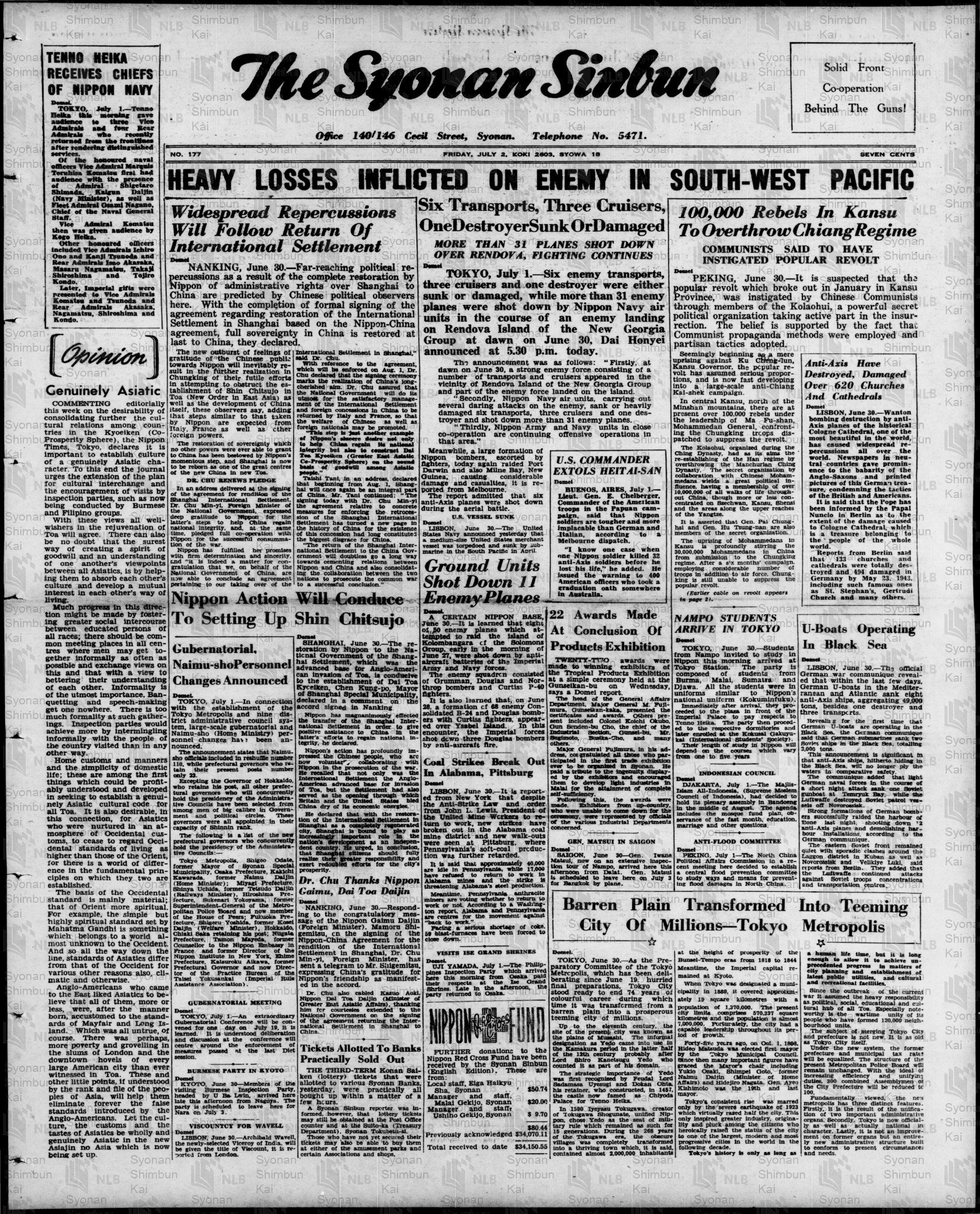
The Syonan Shimbun of 2 July 1943, page 1. The short Domei report “Nampo Students Arrive In Tokyo”, in the right-hand column, describes the first group reaching Tokyo Station on 30 June and going straight to the Imperial Palace. (The Syonan Shimbun, via NewspaperSG, National Library Board Singapore, public domain)
The trainees left behind, July 1943
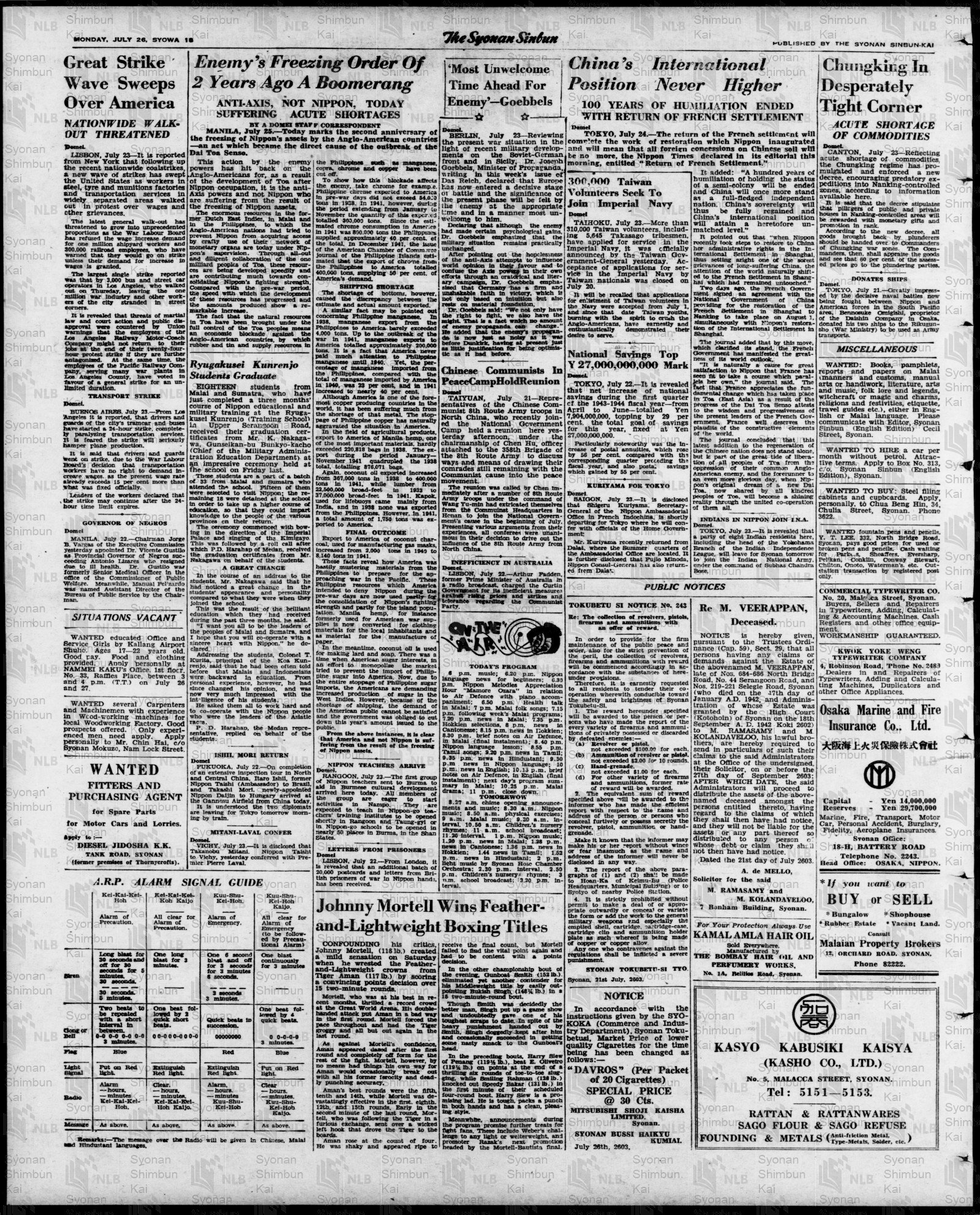
The Syonan Shimbun of 26 July 1943, page 2. The report “Ryugakusei Kunrenjo Students Graduate”, in the left-hand column, covers the ceremony at Woodsville for the 18 trainees who stayed behind when the fifteen best went to Japan. (The Syonan Shimbun, via NewspaperSG, National Library Board Singapore, public domain)
1,500 students in Japan, August 1943
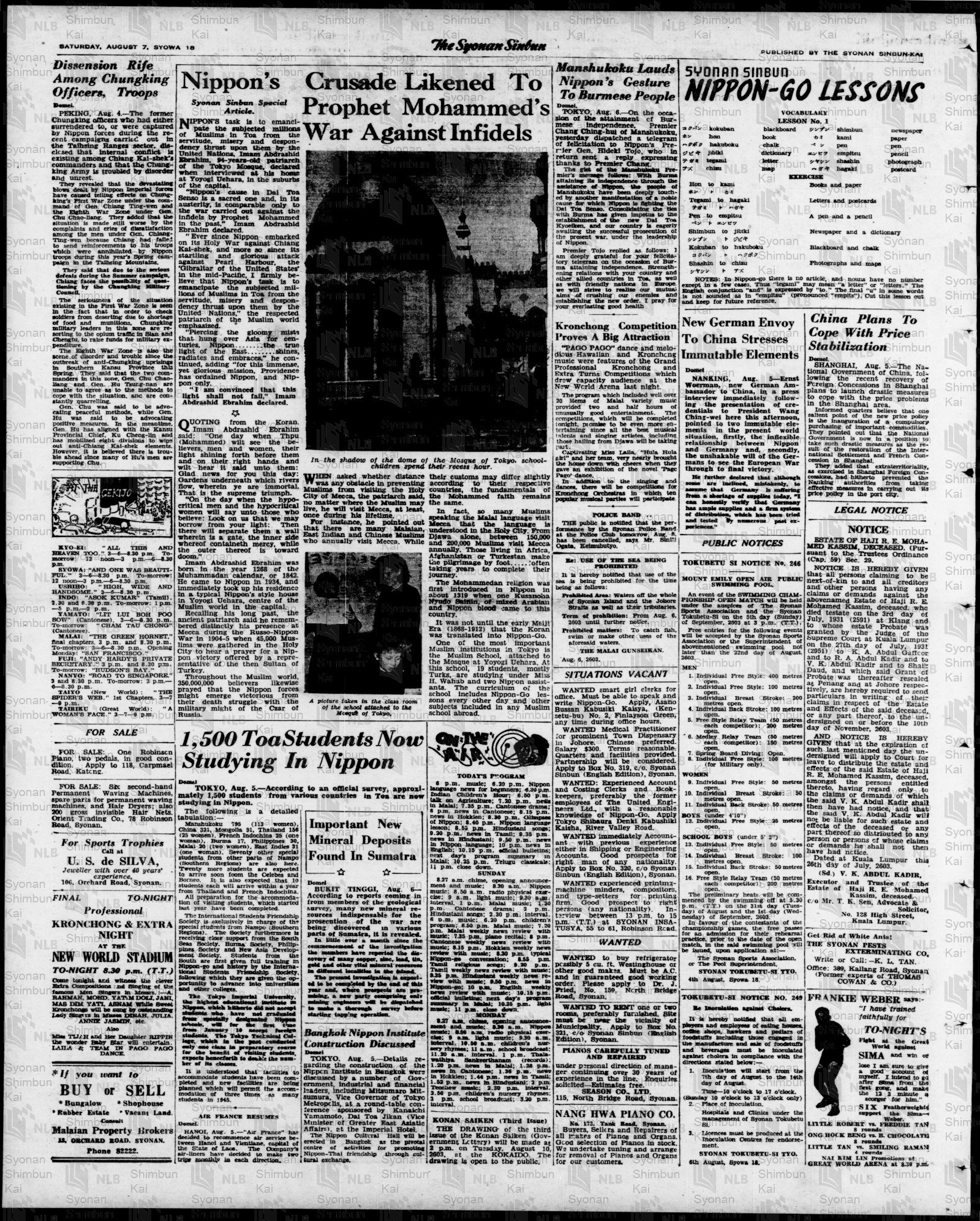
The Syonan Shimbun of 7 August 1943, page 2. The column “1,500 Toa Students Now Studying In Nippon” counts 20 students from Malaya, two of them women. (The Syonan Shimbun, via NewspaperSG, National Library Board Singapore, public domain)
The second group, June 1944
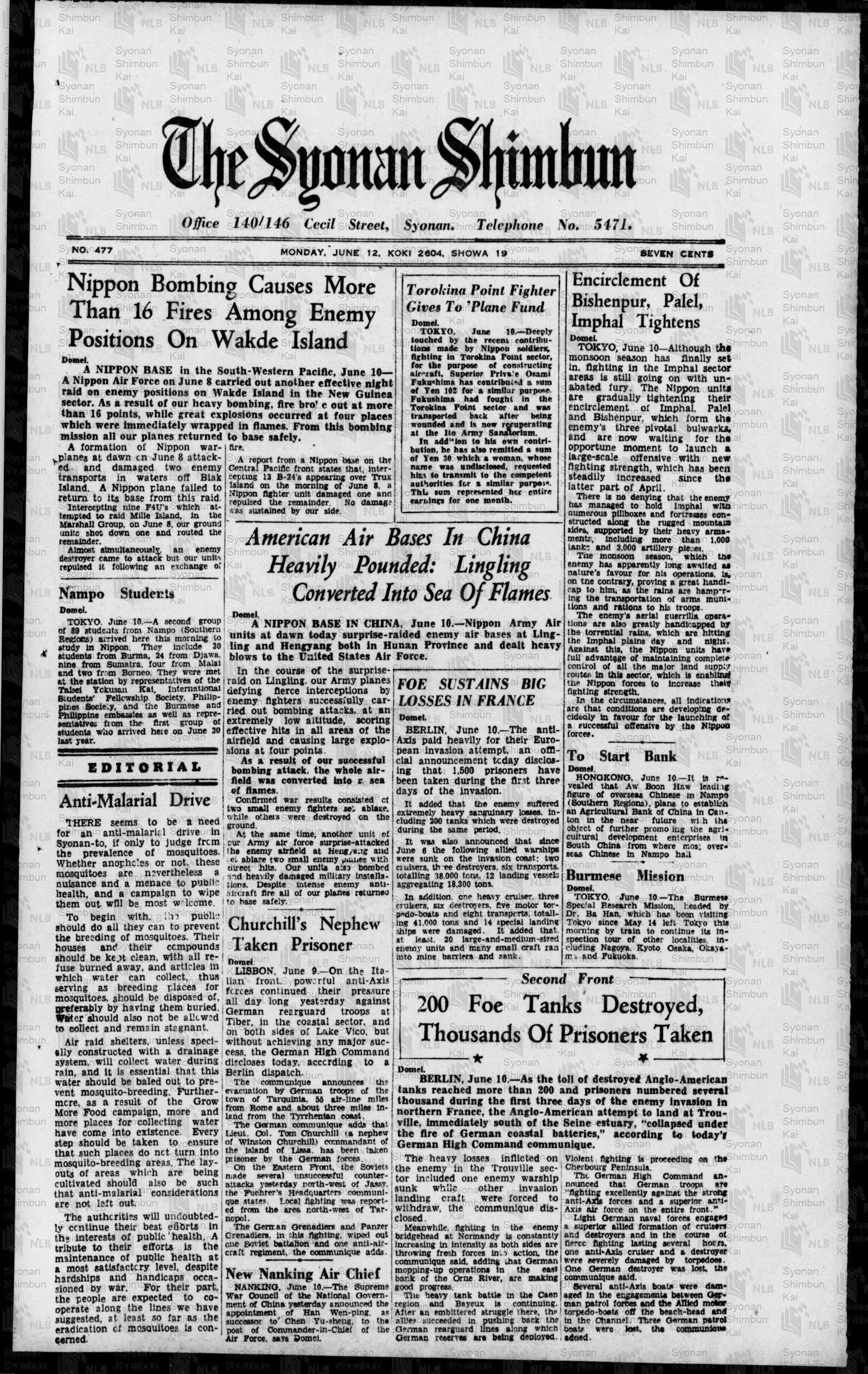
The Syonan Shimbun of 12 June 1944, page 1. The short report “Nampo Students”, on the left, records the arrival in Tokyo of a second group of 89 students, four of them from Malaya. (The Syonan Shimbun, via NewspaperSG, National Library Board Singapore, public domain)
Home from Waseda, April 1945
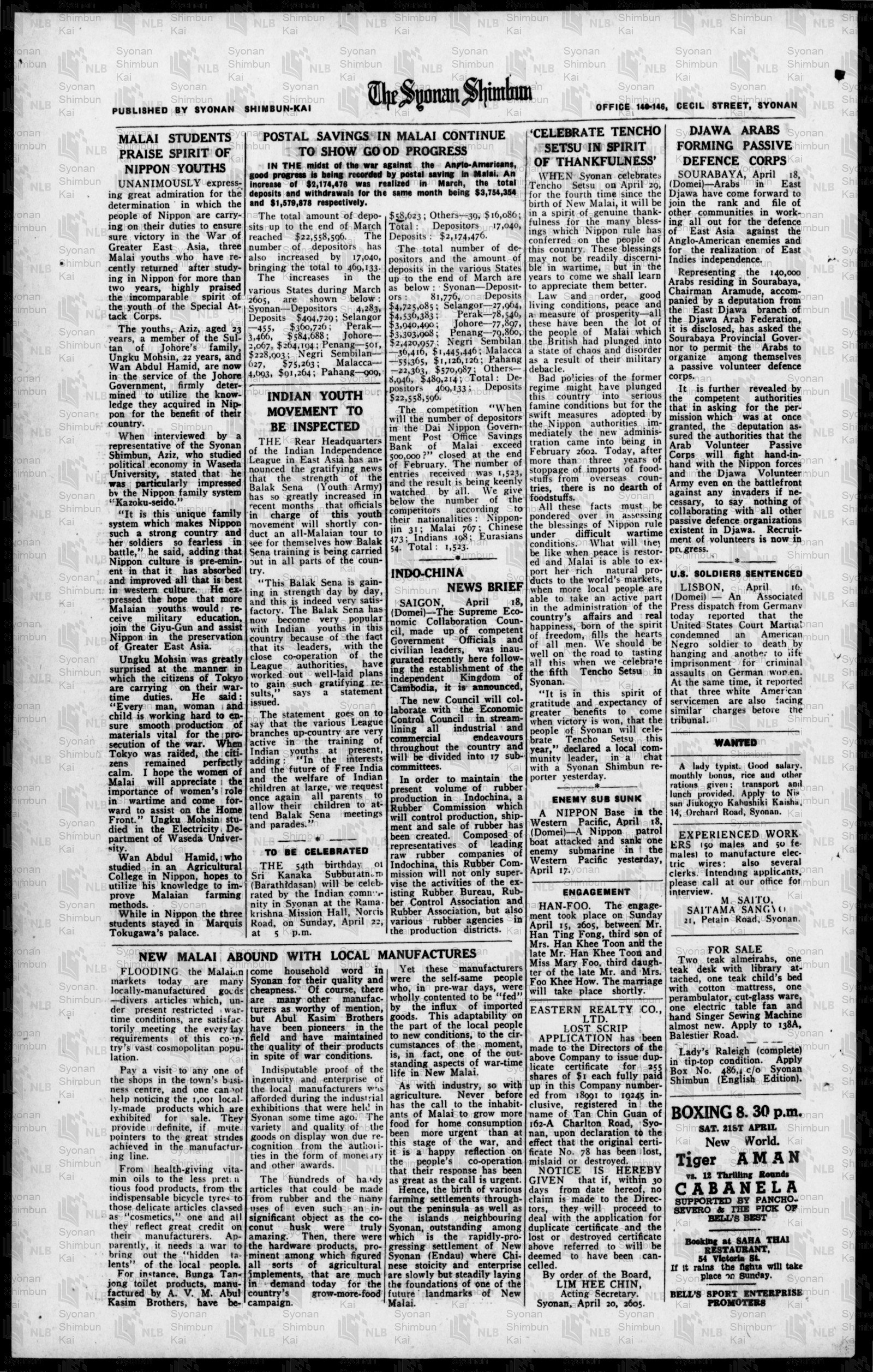
The Syonan Shimbun of 20 April 1945, page 2. In “Malai Students Praise Spirit Of Nippon Youths”, at the top left, Ungku Aziz, Ungku Mohsin and Wan Abdul Hamid describe their two years in Japan. (The Syonan Shimbun, via NewspaperSG, National Library Board Singapore, public domain)
Woodsville today

Upper Serangoon Road approaching the Woodsville flyover in 2006. The training school for the students bound for Japan was at Woodsville in 1943. (Kimchi.sg, CC BY-SA 3.0, via Wikimedia Commons)
The university’s remains, November 1945

The fire- and blast-damaged main building of the Hiroshima University of Literature and Science, photographed by the United States Strategic Bombing Survey on 1 November 1945. (United States Government, public domain, via Wikimedia Commons)
A burned-out laboratory

A fire-damaged chemistry laboratory at the university, 3 November 1945. (United States Government, public domain, via Wikimedia Commons)
Books reduced to ashes

An interior of the university with its books burned to ash, 1 November 1945. (United States Government, public domain, via Wikimedia Commons)
The university museum

The blast-damaged ruins of the university’s museum, 4 November 1945. (United States Government, public domain, via Wikimedia Commons)
The cloud from the air
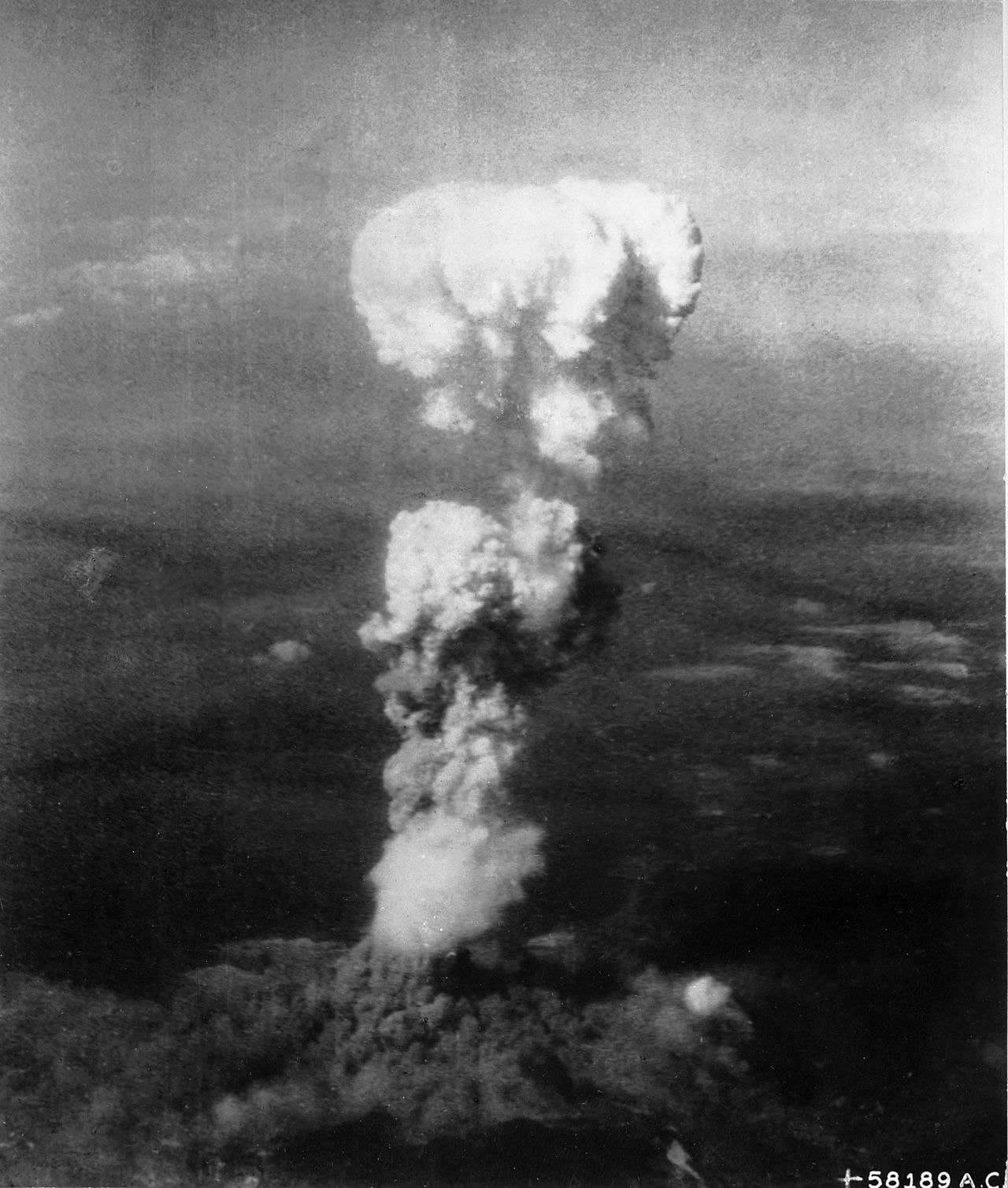
The cloud over Hiroshima on 6 August 1945, photographed from the Enola Gay by its tail gunner, George R. Caron. (George R. Caron, public domain, via Wikimedia Commons)
Tokyo Station after the raids

Tokyo Station’s Marunouchi building, burned out in an air raid, in 1945. The first Southern Special Students had arrived at the same station in June 1943. (Unknown author, public domain, via Wikimedia Commons)
Rebuilt, 1955

Hiroshima University in 1955, on the site of the Hiroshima University of Literature and Science. (Chugoku Bureau of Telecommunications, public domain, via Wikimedia Commons)
The old building today

The former main building of the Hiroshima University of Literature and Science, which survived the bombing, in 2010. (Taisyo, CC BY 3.0, via Wikimedia Commons)
The university today

Hiroshima University’s Higashi-Hiroshima campus, where the university moved from central Hiroshima, in 2005. (Taisyo, CC BY 3.0, via Wikimedia Commons)
← Back to “The Southern Special Students: Malayan Youths Sent to Japan, 1943–45”