More Historical Photos: Tani Yutaka
← Back to “Tani Yutaka, the “Tiger of Malaya”: The Man and the Wartime Legend”
Photographs of the Malayan campaign Tani Yutaka worked in, the places in his story and the Japanese Cemetery Park in Singapore.
Major Fujiwara Iwaichi
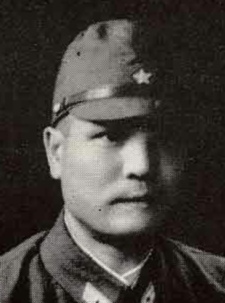
Fujiwara Iwaichi, who led the F Kikan intelligence unit that Tani worked with during the Malayan campaign. (Unknown author, public domain, via Wikimedia Commons)
General Yamashita in Malaya
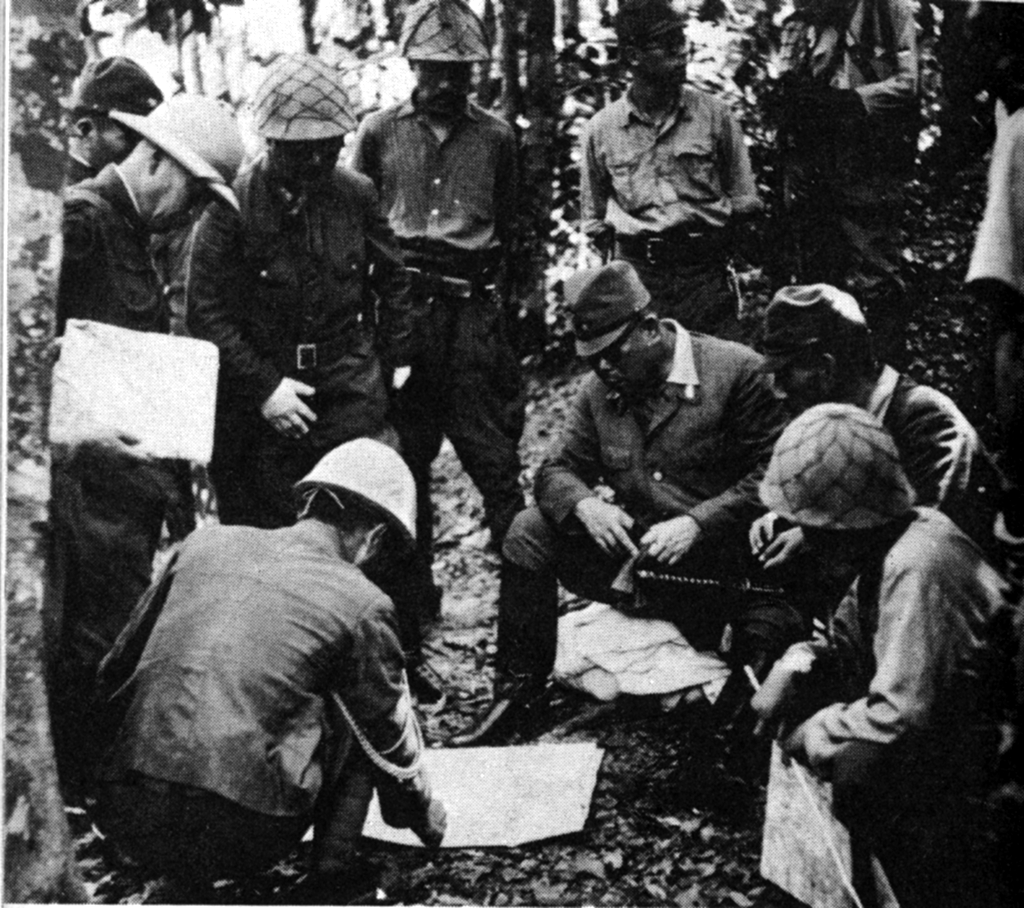
General Yamashita Tomoyuki, centre, with his officers during the invasion of Malaya, December 1941. He too was called the Tiger of Malaya. (Photographer unknown, Japan War History Office, public domain, via Wikimedia Commons)
Bicycle troops crossing a river

Japanese bicycle troops wade across a river beside a bridge destroyed by the retreating British, January 1942. (Kōyō Kageyama, public domain, via Wikimedia Commons)
A destroyed bridge at Labis

Japanese troops cross a temporary bridge beside a bridge blown up by the British at Labis, Johor, 22 January 1942. (Asahi Shimbun, public domain, via Wikimedia Commons)
A makeshift crossing

Japanese soldiers cross a river on a temporary bridge of logs during the Malayan campaign, January 1942. (Kōyō Kageyama, public domain, via Wikimedia Commons)
Kota Bharu, 1941

The riverside at Kota Bharu, Kelantan, in 1941. Marai no Tora was set in the town. (Australian War Memorial, public domain, via Wikimedia Commons)
Japanese troops in Johor

Japanese troops at the railway in Johor Bahru in a wartime Japanese publication. Tani was taken to a field hospital in the town on 1 February 1942. (Unknown author, public domain, via Wikimedia Commons)
The campaign map

Maps of the Malayan campaign: British dispositions on 7 December 1941, and the Japanese advance from the Thai border to Singapore. (United States Military Academy, public domain, via Wikimedia Commons)
Japanese residents leave Singapore

Japanese nationals pass the customs barriers as some six hundred of them leave Singapore on an evacuation ship before the war. (National Museum of the U.S. Navy, public domain, via Wikimedia Commons)
Kampung Cina, Kuala Terengganu

A street of shophouses in Kampung Cina, Kuala Terengganu, in 2014. (Fikku fiq, CC BY-SA 4.0, via Wikimedia Commons)
The Chinatown gate

The road into Kampung Cina, Kuala Terengganu, in 2025. (Manis leting, CC BY-SA 4.0, via Wikimedia Commons)
The Japanese Cemetery Park

The entrance to the Japanese Cemetery Park on Chuan Hoe Avenue. (ProjectManhattan, CC BY-SA 3.0, via Wikimedia Commons)
The cemetery’s prayer hall
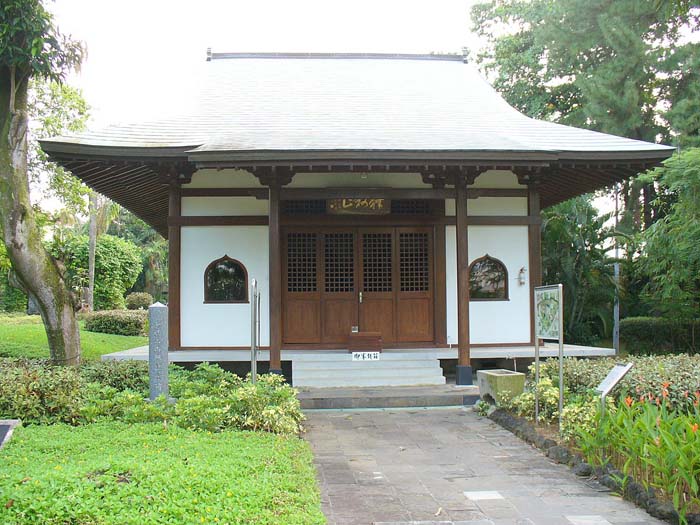
The prayer hall in the Japanese Cemetery Park, 2007. (Aldwinteo, CC BY-SA 3.0, via Wikimedia Commons)
← Back to “Tani Yutaka, the “Tiger of Malaya”: The Man and the Wartime Legend”